The Work Continues: A Legislative Session Reflection
Written by Marqus Cole, GIPL Organizing Director
The 2026 legislative session has come to a close, but our advocacy is far from over. This moment marks a transition, not an ending. The relationships we’ve built, the pressure we’ve applied, and the visibility we’ve created will continue to shape what comes next. Policy doesn’t begin and end with Sine Die, and neither does our work.
Because of your engagement this session, we made a meaningful difference on every one of our priority issues.
Your actions mattered. This was not simply a session where good bills failed to pass. It was a session where sustained pressure stopped bad outcomes and forced better ones into view.
Take the Okefenokee Protection Act. While it did not receive a final vote this session, that outcome does not reflect a lack of support. The bill has strong bipartisan backing and enough co-sponsors that, if brought to the floor, it would pass. Leadership chose to keep it in committee. That is procedural posturing, not policy failure. The support is there, and that matters as we look ahead.
We saw a similar story with the Forever Chemical Transparency Act. In 2025, this was a new concept with limited traction. In 2026, it became a recognized issue with growing awareness among policymakers and increased attention in the media. The bill did not cross the finish line this year, but the progress is real. What was once unfamiliar is now firmly part of the policy conversation, and that is how durable change begins to take hold.
On data centers, the undeniable shift from last year to this year reflects the scale of what is at stake. In 2025, there were only a handful of bills addressing the issue. In 2026, there were more than a dozen. Data center expansion carries tens of billions of dollars in long-term infrastructure decisions alongside billions in tax incentives, with real implications for who pays and who benefits.
Our priority legislation, SB 34, sat at the center of that conversation. When industry-backed changes weakened the bill, your advocacy helped build enough support to restore stronger protections. The bill did not fail because it lacked votes. It had a viable bipartisan coalition ready to pass it. Rather than allow that vote, the Senate adjourned for the day and sent it back to committee.
That moment made something clear: when organized communities engage, they can shift outcomes, even if leadership ultimately blocks the final step.
It can be tempting to look at these outcomes and conclude that the system is broken. But what we saw this session suggests something more precise. The system is behaving as it is designed. When pressure is low, it protects entrenched interests. When pressure builds, it adapts, delays, or redirects. And when pressure becomes unavoidable, it can act quickly and decisively.
The question for us is not whether change is possible, but whether we are creating the conditions that make it necessary.
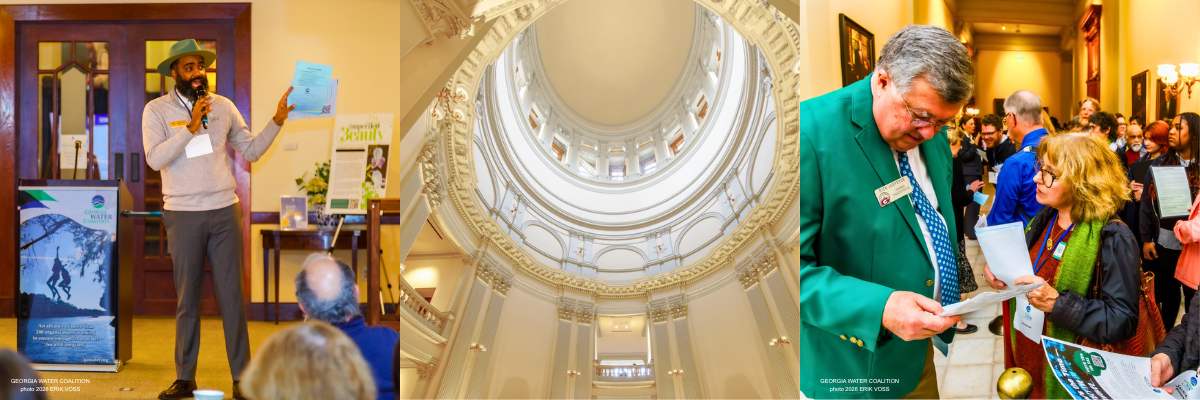
Beyond individual bills, this session was defined by participation. You helped bring our values into the Capitol, into committee rooms, and into conversations that will continue beyond this year. That presence builds credibility and influence over time, and it is already reshaping what policymakers see as possible.
Looking ahead, there is a strong possibility of a special session later this summer to address unresolved election and voting issues. While those topics are not central to GIPL’s legislative priorities, a special session could create an unexpected opportunity to revisit some of the bills that stalled this year. With the primary elections behind us and political dynamics shifting, there may be another opening to advance key policies. And we will be ready.
Our Summer of Advocacy launches May 12 at our next Green Team Roundtable, and it will be another opportunity to keep applying pressure in a system that responds to pressure.
Over the coming months, we will continue making the true costs of these decisions clear, building relationships with policymakers and candidates, and ensuring that more Georgians understand what is at stake.
That is how we move from delayed progress to decisive action.
The work continues because the stakes remain the same. The decisions being made today will shape Georgia’s energy future, public health, and environmental integrity for decades to come.
Thank you for being part of this work. Stay engaged. More is ahead.