A Bit of Dirt: Where Faith, Science, and Care for Creation Take Root
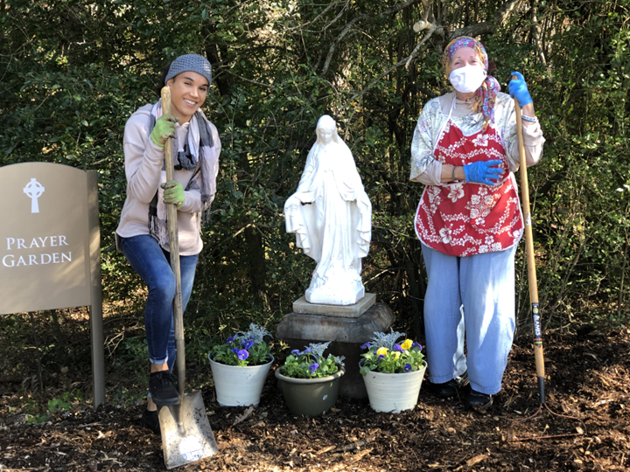
By Susan Varlamoff, friend of GIPL and Sustainability Consultant for the Roman Catholic Archdiocese of Atlanta. Images courtesy of Susan Varlamoff and Jay Bassett.
Sometimes caring for creation begins with something as ordinary as a bit of dirt.
Turn that soil into a native plant garden, and it feeds pollinators and restores habitat. Add compost, and yesterday's food scraps become nutrients for tomorrow's plants. Grow vegetables, and a church yard can help feed neighbors. Bring parishioners, scientists, and Master Gardeners together, and that same patch of ground becomes something more: a place where faith takes root in action.
Across Georgia, Catholic parishes are discovering just how much can grow from these seemingly small acts.
The story gained new momentum in 2015, when Pope Francis released Laudato Si', his landmark encyclical calling humanity to care for "our common home." Catholic biologist and Master Gardener Susan Varlamoff approached then-Atlanta Archbishop Wilton Gregory about turning that call into local action.
His response was practical: develop a plan that could help people act.
Working with University of Georgia colleagues from different faiths and scientific disciplines, Varlamoff and Dr. Rob McDowell developed a Laudato Si' Action Plan for Georgia. Its sustainable landscaping recommendations were tangible: plant native species, remove invasive plants, reduce pesticide use, compost, conserve water, and rebuild healthy soils. The plan was distributed to all 103 Catholic parishes in the Archdiocese of Atlanta.
A decade later, those ideas have taken root in gardens, church landscapes, food ministries, and relationships across Georgia.
When Faith Meets the Garden
Master Gardeners receive extensive training in sustainable gardening and horticulture. Catholic Social Teaching calls people to stewardship of creation and concern for the wellbeing of others. Bring the two together, and church grounds can become much more than landscaped property.
They can become living classrooms.
Across Georgia, Master Gardeners and parish volunteers have established native and pollinator gardens, grown food, improved soils, conserved water, and created beautiful places for prayer and reflection.
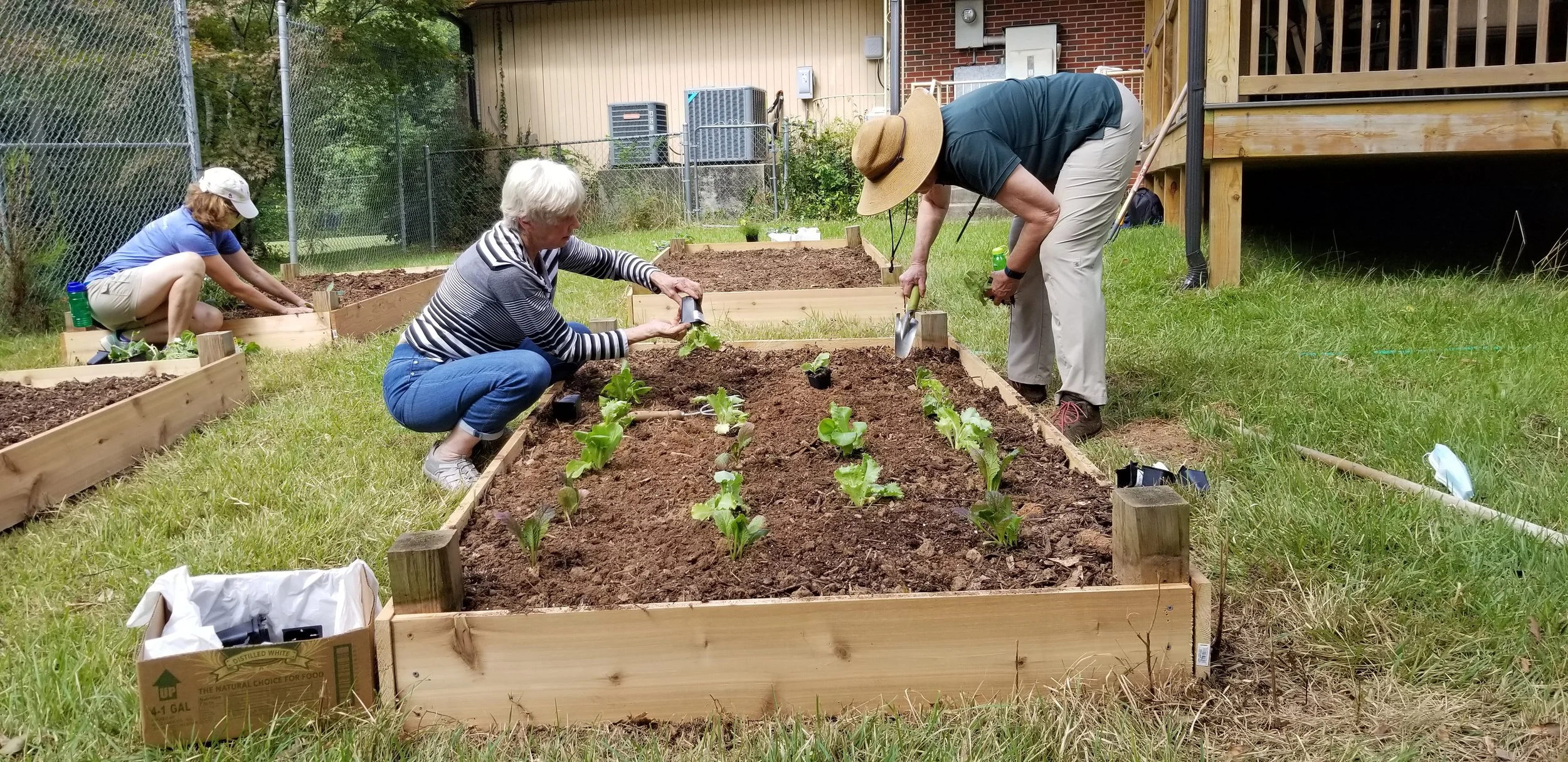
Ten years after the Action Plan was introduced, a survey found that many Catholic churches and schools had incorporated these practices. Among 80 respondents, roughly three in ten reported using native plants, composting, avoiding pesticides, or maintaining pollinator gardens, while 35% used rain barrels.
But perhaps the most compelling results cannot be captured in percentages.
At St. John Neumann Catholic Church in Lilburn, Master Gardeners and parishioners created a food pantry garden and workshops teaching people how to grow food themselves. More than 200 pounds of produce were harvested in a single year to help feed neighbors. Across the Archdiocese, 18 parishes reported growing fruits and vegetables for people experiencing hunger.
And the knowledge, and plants themselves, have been transplanted.
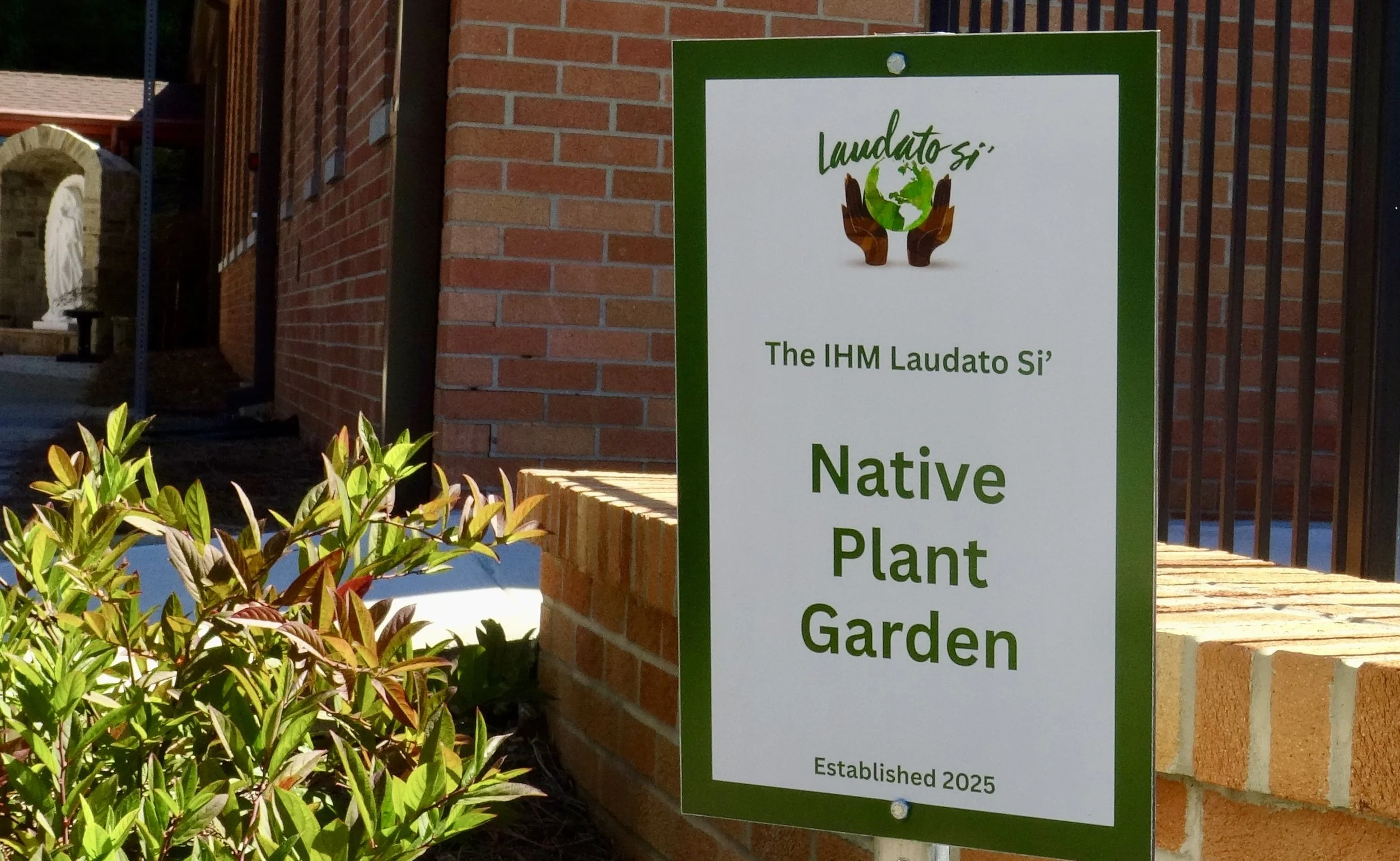
Creation care leaders from Immaculate Heart of Mary in Atlanta collected coneflowers and rudbeckia from St. John Neumann for their own native plant garden. A sustainable gardening presentation at St. Lawrence Catholic Church in Lawrenceville inspired the parish to dedicate land to native plants. At St. Francis in Blairsville, a few donated coneflowers helped inspire a demonstration pollinator garden.
One of the most hopeful lessons is simple: stewardship spreads.
A workshop becomes a garden. A garden produces food. A few native plants become habitat. One congregation's experience becomes another's starting point.
Integral Ecology, One Garden at a Time
Pope Francis called this interconnected way of seeing the world integral ecology: recognizing that the health of people, communities, and the natural world cannot ultimately be separated.
Gardens make that idea tangible. Healthy soil supports plants. Native plants support insects and birds. Gardens provide food and beauty. People working together build relationships and community.
And this story extends beyond Catholic communities. Across faith traditions, congregations have land, volunteers, trusted relationships, and a moral language for stewardship. Those assets can help restore ecosystems, strengthen neighborhoods, feed people, and reconnect communities with the natural world.
Pope Francis asked: What kind of world do we want to leave our children?
Perhaps part of the answer begins closer to home than we imagine.
With a congregation. A few neighbors. A handful of seeds.
And a bit of dirt.